

Energy efficient house paint is an advanced exterior wall coating system engineered with reflective ceramic microspheres and complex inorganic pigments (CIMs). Unlike conventional latex paint that absorbs up to 90% of solar infrared radiation, energy-efficient reflective coatings deflect non-visible thermal waves before heat can penetrate exterior stucco, masonry, or siding.
By reducing exterior surface wall temperatures by up to 40°F, these specialized coatings lower heat transfer into interior wall cavities, reducing daily residential HVAC air conditioning loads by up to 21% and significantly cutting monthly electricity usage.
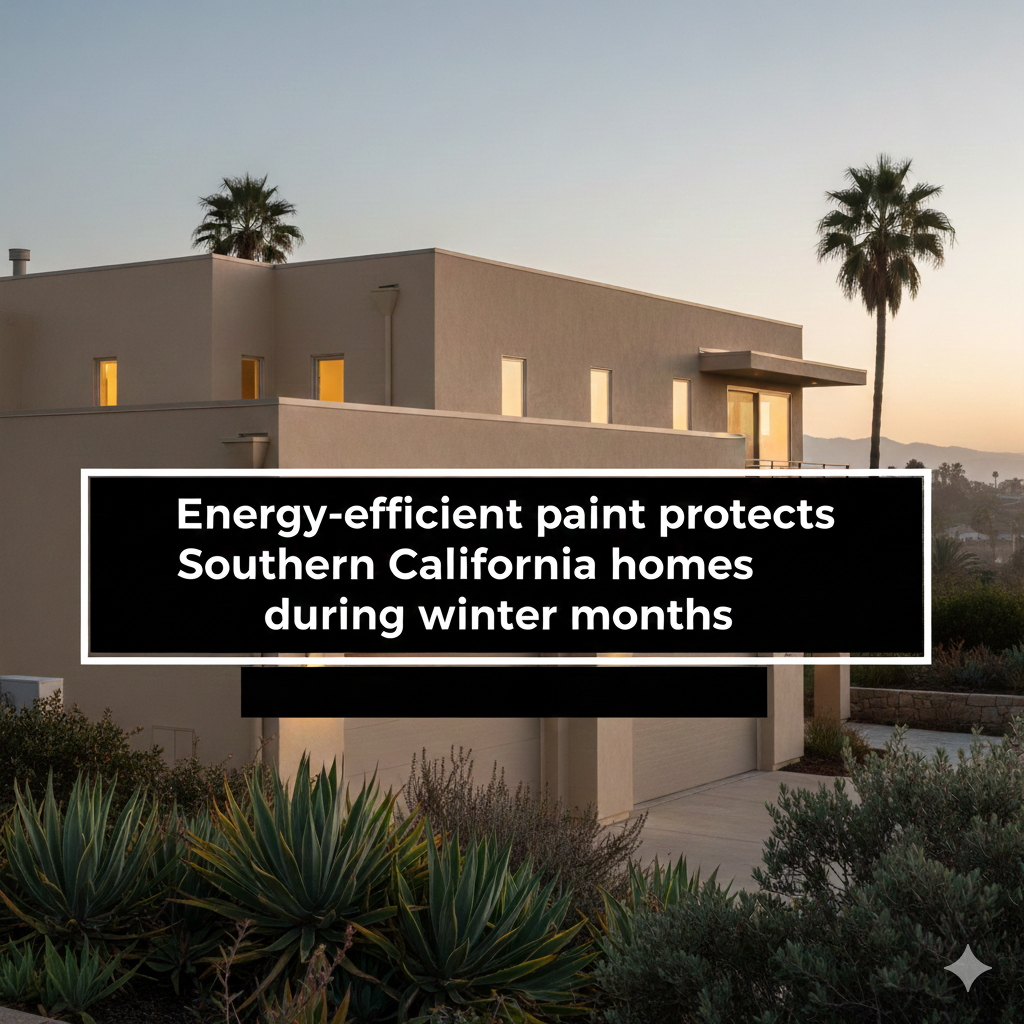
Demystifying Solar Reflectance: How Reflective Pigments Reconstruct Thermal Loads
The scientific foundation of energy-efficient house paint rests on advanced pigment chemistry rather than superficial color selection. Standard exterior latex paints rely on conventional organic pigments that readily absorb non-visible infrared (NIR) light. When hit by solar radiation, these standard films absorb thermal energy and act as thermal radiators, conducting intense heat directly through exterior cladding, wall framing, and interior drywall.
High-performance exterior coating systems, such as Deluxe Lifecote, incorporate specialized ceramic particles and complex inorganic pigments (CIMs) engineered to bounce near-infrared radiation back into the atmosphere before it saturates the building envelope.
Energy Efficient House Paint: Total Solar Reflectance (TSR) and Thermal Dynamics
Total Solar Reflectance (TSR) measures a coating material’s ability to reflect solar energy across three primary spectrums:
- Ultraviolet (UV) Rays (~5% of sunlight): Causes surface chalking, color fading, and resin breakdown.
- Visible Light (~43% of sunlight): Dictates human color perception.
- Near-Infrared (NIR) Rays (~52% of sunlight): Primary source of radiant thermal heat.
High-performance reflective coatings maintain elevated TSR values across light, mid-tone, and dark custom colors by selectively reflecting NIR wavelengths while maintaining rich aesthetic tones.
Independent laboratory testing by ASI (Automated System Inspections) demonstrates that under peak sun exposure in arid and Mediterranean environments, standard mid-tone latex paints regularly reach exterior wall temperatures exceeding 160°F. Under identical solar exposure conditions, engineered heat-reflective coating formulas maintain surface wall temperatures up to 40°F cooler, stopping structural wall heat saturation before it begins.
Slashing Daily HVAC Loads and Meeting California Title 24 Cool Wall Rules
Upgrading a building envelope with heat-reflective exterior coatings delivers direct economic returns by flattening peak electrical demand curve spikes during high-heat months. In region-specific Mediterranean and desert climates, such as the Pasadena Basin, San Fernando Valley, Inland Empire, and coastal Orange County, residential cooling accounts for the vast majority of peak summer electrical utility bills.
Rigorous independent testing verifies that heat-reflective exterior wall coatings reduce overall residential air conditioning energy consumption by up to 21%. By preventing exterior wall assemblies from retaining heat like thermal bricks, internal air handlers run fewer cycles and experience significantly reduced mechanical strain.
Hyper-Local Environmental Integration & Title 24 Compliance
Southern California features unique environmental microclimates—ranging from salty, damp ocean air along coastal zones (e.g., Santa Monica, Newport Beach) to intense, UV-heavy inland heat microclimates and dry Santa Ana wind corridors (e.g., Riverside, Santa Clarita, San Gabriel Valley).
These severe environmental conditions degrade traditional thin-film latex paints, leading to premature chalking and reduced thermal performance. High-performance cool-wall coatings comply with or exceed California Title 24 Cool Wall Standards (mandating elevated TSR and thermal emittance values), helping reduce the regional “Urban Heat Island” effect while shielding homes from hyper-local weathering factors.
| Performance Metric / Metric Standard | Standard Exterior Latex Paint | High-Build Reflective Elastomeric Coating |
|---|---|---|
| Dry Film Thickness (DFT) | 1.5 – 2.0 mils per coat | 10.0 – 20.0 mils total thickness |
| Infrared Heat Reflection (NIR) | Low (Absorbs up to 90% heat) | High (Reflects non-visible heat spectrum) |
| Peak Summer Wall Temp Drop | 0°F Baseline (Reaches 160°F+) | Up to 40°F Surface Temperature Drop |
| HVAC Energy Reduction | 0% Baseline | Up to 21% Reduction in Cooling Costs |
| Elongation & Flexibility | 20% – 50% (Cracks under expansion) | 300%+ (Bridges dynamic structural shifts) |
| Service Life Expectancy | 5 – 7 Years before reapplication | Permanent / Lifetime Architectural Defense |
| Title 24 Cool Wall Compliance | Rarely Compliant (in mid/dark tones) | Certified / Compliant across custom palettes |
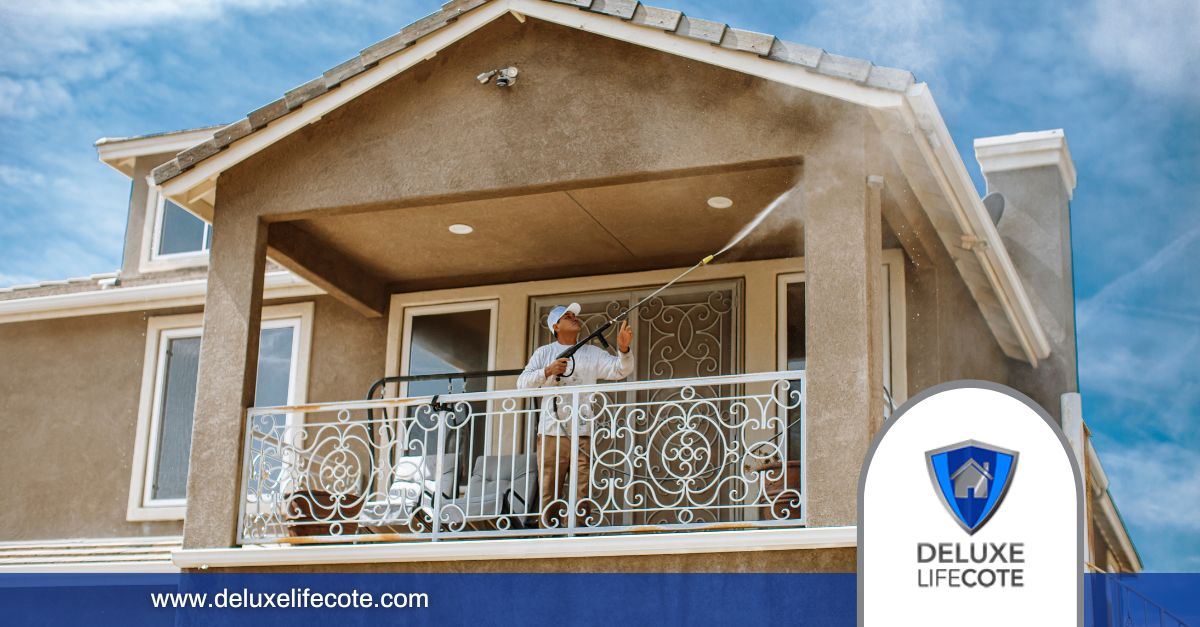
Utility Rate Relief Across Southern California Service Territories
Deploying an exterior thermal barrier shields property owners against escalating time-of-use (TOU) rate structures enforced by regional power providers:
- Southern California Edison (SCE): Significantly drops kWh consumption during peak afternoon utility billing tiers (4:00 PM – 9:00 PM).
- Los Angeles Department of Water and Power (LADWP): Lowers total power demand across dense urban environments susceptible to structural heat retention.
- San Diego Gas & Electric (SDG&E): Offsets extreme rate spikes in inland valleys subjected to elevated summer heat indices.
- HVAC Mechanical Longevity: Reduces mechanical start-stop stress on compressor units, extending system lifecycle and delaying expensive capital replacements.
Combining Thermal Performance with Thick, Flexible Exterior Wall Defense
While standard exterior paint leaves a paper-thin film measuring 1.5 to 2.0 mils per coat, our reflective elastomeric wall systems form a durable barrier 10 to 20 times thicker than standard latex.
This resilient membrane does not merely coat the surface; it permanently seals underlying porous stucco, split-face concrete block, brick, and wood framing against environmental weathering.
Mechanical Properties of High-Build Wall Defense
- 300%+ Elastomeric Elongation: Stucco and masonry expand and contract continuously due to thermal cycling between morning cool air and afternoon sun. High-build elastomeric coatings stretch dynamically without shearing, cracking, or peeling.
- Micro-Crack Bridging: Seals existing hairline fractures and stress cracks in exterior stucco, preventing wind-driven moisture from reaching interior shear panels and wire lath.
- Efflorescence & Alkali Defense: Neutralizes natural salts in concrete and exterior stucco, preventing unsightly white powdery deposits (efflorescence) and surface blistering.
- Environmental Moisture Protection: Repels driving rain and salty coastal fog while maintaining a breathable membrane structure that allows internal trapped water vapor to vent outward safely.
Comprehensive 12-Step Professional Installation Methodology
Achieving an unbreakable thermal bond between an advanced reflective coating and a residential structural envelope requires strict adherence to a professional-grade paint application protocol.
Complete 12-Step Execution Process
- High-Pressure Substrate Cleansing: Washing surfaces at targeted pressures to eliminate dirt, airborne soot, oxidized chalk, and organic mildew growth.
- Structural Stucco & Masonry Restoration: Repairing damaged spalls, re-plastering deteriorated sections, and filling dynamic cracks with elastomeric patch compounds.
- Perimeter Trenching: Excavating a shallow trench along the home’s concrete footing to apply protective coatings below grade line, blocking moisture wick action.
- Precision Surface Masking: Enclosing windows, copper flashing, door frames, roof edge trim, concrete patios, and surrounding vegetation under heavy-duty plastic and paper drops.
- pH-Balancing Masonry Primer: Applying specialized alkali-resistant primers to equalize porosity and lock down loose structural particles.
- Elastomeric Crack Sealing: Hand-tooling textured sealant over all repaired trim junctions, architectural joints, and window perimeters.
- First Pass Refractory Coating Application: Spraying the initial high-build ceramic layer to establish baseline membrane volume.
- Substrate Back-Rolling: Hand rolling wet material into deep stucco textures and porous masonry voids to guarantee air-free mechanical interlocking.
- Second Pass Reflective Application: Applying the secondary finish coat containing high-density complex inorganic pigments to ensure total TSR values.
- Detailing Architectural Accents: Precision hand-brushing fascia, wood trim, door surrounds, and custom architectural moulding.
- Site Inspection & Quality Audit: Verifying wet and dry mil thickness levels across all wall elevations using specialized gauges.
- Perimeter Cleanup & De-Masking: Removing protective covers, backfilling perimeter soil trenches, and performing complete white-glove site restoration.
Energy Efficient House Paint FAQs
How long does energy efficient reflective house paint last compared to standard paint?
Standard exterior latex paint typically degrades within 5 to 7 years due to UV exposure, chalking, and moisture intrusion. In contrast, professional high-build energy-efficient reflective coatings (such as Deluxe Lifecote) are engineered with durable elastomeric resins and ceramic microspheres that resist cracking, peeling, and fading for a lifetime, eliminating repeat repainting cycles.
How does reflective house paint lower indoor room temperatures?
Reflective house paint incorporates microscopic ceramic particles and complex inorganic pigments that reflect up to 90% of non-visible near-infrared solar heat away from the exterior wall surface. By stopping heat from saturating exterior stucco, concrete, or siding, the coating prevents thermal energy from conducting inward through wall framing and drywall, maintaining lower ambient indoor temperatures naturally.
Can reflective energy-efficient coating be applied over existing stucco or wood siding?
Yes. Professional reflective coating systems are engineered to bond directly with a variety of residential building materials, including traditional smooth or rough stucco, concrete block, fiber cement, engineered siding, and exterior wood trim, provided proper substrate prep and specialized bonding primers are used.
Does energy efficient cool wall paint comply with California Title 24 energy requirements?
Yes, high-performance energy-efficient house paint systems meet or exceed California Title 24 Cool Wall performance standards. These standards mandate specific Total Solar Reflectance (TSR) and thermal emittance values to reduce home cooling energy use and mitigate regional urban heat island effects.
What is the difference between standard paint thickness and high-build elastomeric coatings?
Standard exterior latex paint dries to a thin film of roughly 1.5 to 2.0 mils per coat, which easily cracks under normal wall expansion and contraction. High-build reflective elastomeric coatings are applied at 10 to 20 times that thickness (10.0 to 20.0 dry mils), creating a flexible, waterproof, crack-bridging membrane with over 300% elongation capacity.
Will applying heat-reflective energy-efficient paint change the appearance or color choices of my home?
No. Advanced complex inorganic pigments allow energy-efficient coatings to deliver high heat reflectance across a wide range of colors—including mid-tones, earth tones, and dark accent shades—without sacrificing aesthetic appeal. It provides the appearance of a fresh coat of paint alongside thermal protection.